Advanced Dog Training Tools for Professionals: The Complete Buyer’s Guide
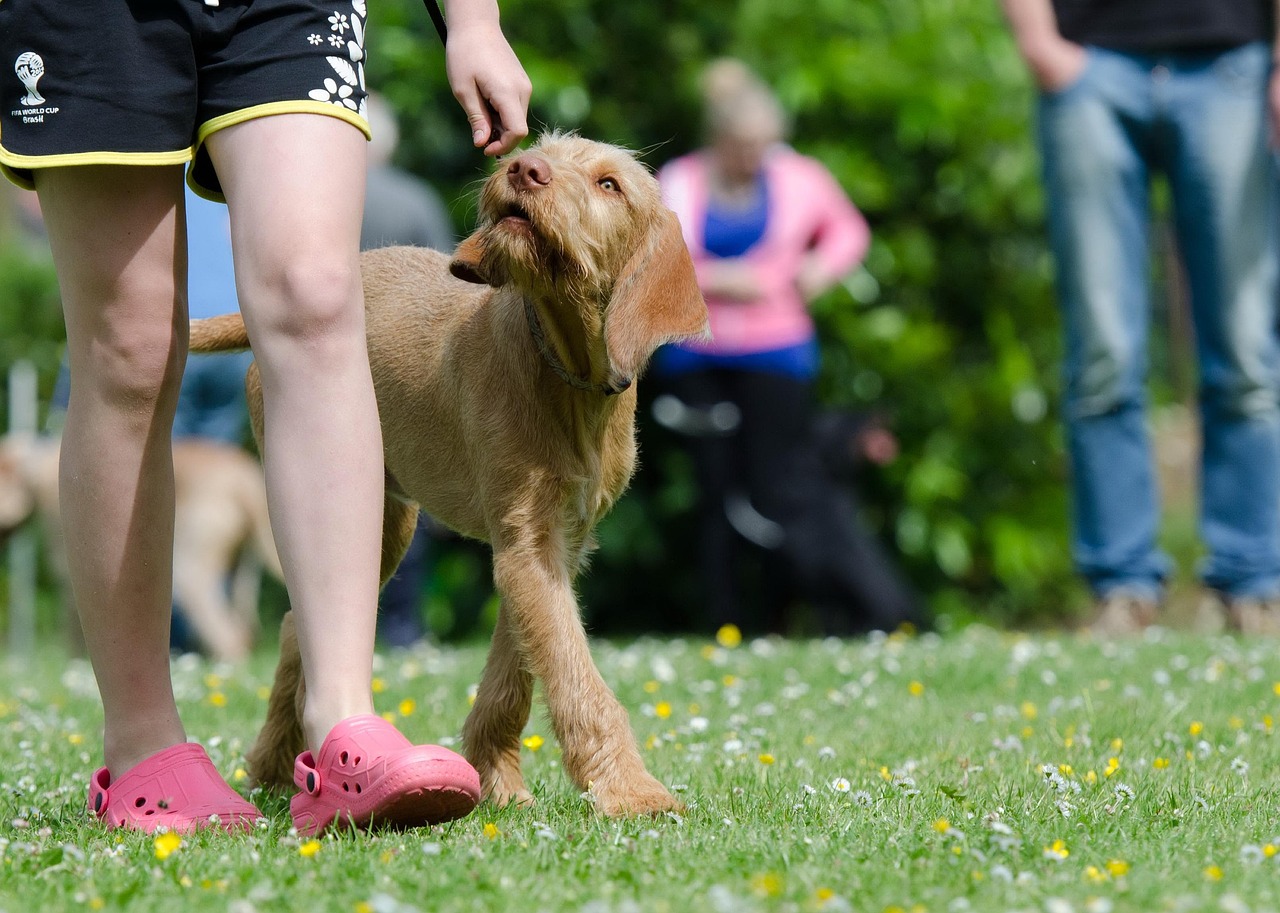
Professional dog trainers face a different reality than hobbyists: high-drive dogs, multi-dog operations, and gear that gets hammered day after day. After testing dozens of advanced training tools in field sessions, the biggest surprise was how much precision and durability vary between brands—especially with newer AI-driven e-collars and sensor-integrated tracking systems. This guide is for trainers who need dependable, data-informed tools that hold up under real workload.
How to evaluate advanced training tools
In our own trials, the tools that performed best were those that balanced responsiveness with handler control. For example, one AI-assisted collar we used adapted stimulation levels smoothly during off-leash drills, but its battery life dropped faster than expected after a few weeks. If you want a solid starting point, the pro-level training kit we recommend offers a good mix of range, responsiveness, and software integration.
Top criteria checklist

- Signal precision: Look for e-collars with adaptive or AI-driven modulation that prevents overcorrection and maintains consistency across distance.
- Multi-dog management: Remote platforms should allow quick switching between dogs without lag—critical during group obedience or fieldwork.
- Force-free compatibility: Tools should support both balanced and force-free approaches, especially when working with sensitive or reactive dogs.
- Durability under heavy use: Professional gear should withstand daily wear, moisture, and rough handling; flimsy housings fail fast.
- Software + sensor integration: Advanced tracking collars and platforms should sync reliably with training apps for behavior logging and route tracking.
Buying tips from real-world use
What reviews rarely mention is how environmental conditions affect tool performance. In wet-weather tracking sessions, cheaper GPS collars drifted by 10–20 meters, while higher-end units stayed tight within a 3–5 meter range. Also consider ergonomics: remote transmitters with poorly spaced buttons slow you down during fast-paced drills. Finally, avoid overbuying—many pros regret purchasing ultra-complex platforms that require constant software updates.
FAQ
Do AI-driven e-collars make training easier? They can improve consistency, but they still require skilled handling and clear training plans.
Are advanced tracking collars worth it? For off-leash reliability or search-and-detect work, yes—accuracy and data logging make a measurable difference.