7 Mistakes to Avoid When Choosing the Best Boxing Gloves for Beginners
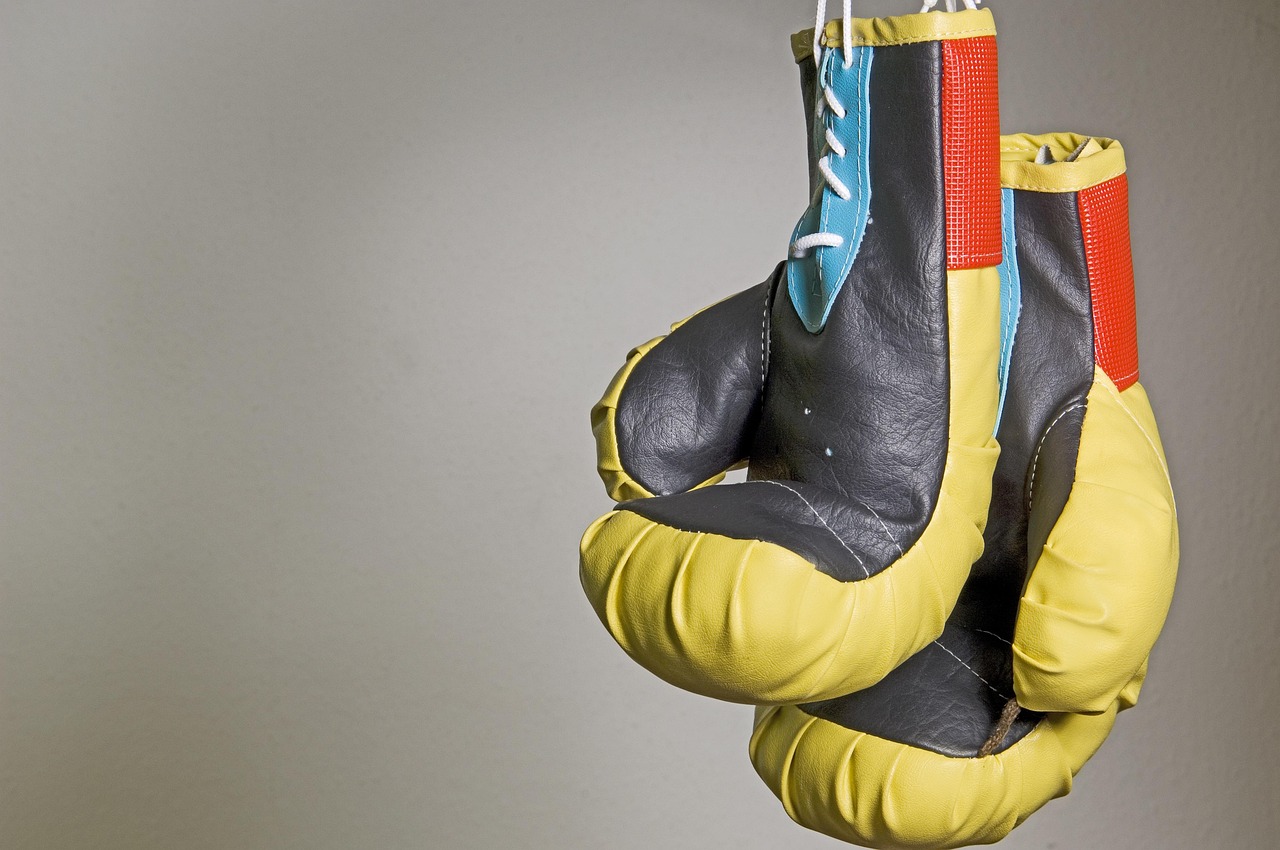
When you're new to boxing, the wrong gloves can make early training sessions miserable. In our testing, beginners struggled most with gloves that felt great for the first week but compressed too quickly, leaving knuckles sore. Another thing we noticed: small-handed boxers often buy gloves that are simply too roomy, thinking they'll "break in" later — they rarely do.
Mistake 1: Ignoring True Hand Size Fit
Many beginners guess their size based on glove weight alone. But hand width and finger length matter just as much. Oversized gloves slide during jabs, while undersized ones pinch the fingertips. If you want a reliable starting point, the starter kit we recommend includes a sizing chart that actually matches real-world hand measurements.
- Fix it: Measure hand circumference and compare to each brand’s fit notes.
- Check wrist wrap length — shorter wraps often mean tighter entry for small hands.
Mistake 2: Choosing the Wrong Padding Type

Foam padding is lighter and usually cheaper, but in our experience it breaks down faster for heavy hitters. Gel padding lasts longer and protects knuckles better, though it can feel slightly bulkier. The trade-off: gel gloves feel safer but may reduce speed for beginners still learning technique.
- Fix it: If your knuckles get sore after 2–3 sessions, switch to gel or multi-layer foam.
- Test glove compression by pressing the knuckle zone — it should rebound quickly.
Mistake 3: Picking the Wrong Weight for Training
Beginners often grab 10 oz gloves because they seem "standard." But lighter gloves offer less protection. Most new boxers do better with 12–14 oz for bag work and basic drills, especially if they have larger hands or need more wrist stability.
- Fix it: Choose 12 oz for small hands, 14 oz for medium, and 16 oz only if you’re doing light sparring.
- Heavier gloves help build endurance but may fatigue shoulders early on.
Beginner Prevention Checklist
- Match glove size to hand circumference, not guesswork.
- Pick padding based on knuckle sensitivity and training frequency.
- Choose glove weight for protection, not speed.
- Check wrist support — beginners often need firmer straps.
- Reassess fit after two weeks; early discomfort usually signals the wrong size.
FAQ
Do small hands need special gloves? Not special, but tighter entry and narrower finger channels help maintain control.
Is gel padding better for beginners? Often yes, especially if your knuckles bruise easily, though foam can feel faster and lighter.