Pro Tips: Getting Results With Eco-Friendly Pest Control Products
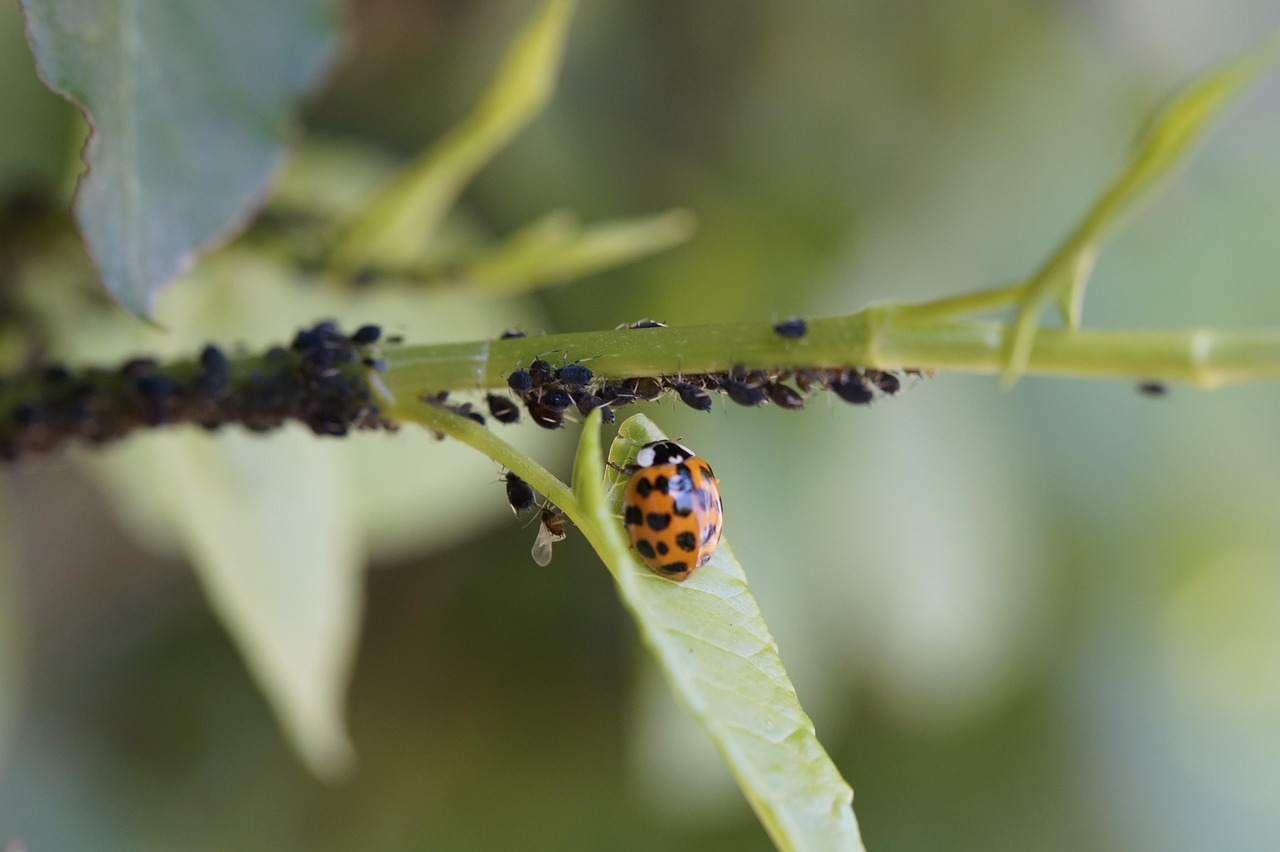
After years of experimenting with various eco-friendly pest control products, I’ve learned that success often lies in the details. For instance, using neem oil can be highly effective against aphids, but the timing is crucial; applying it too late in the day can diminish its efficacy due to evaporation. Similarly, while I’ve had great results with biodegradable slug deterrents, I found that they need to be reapplied after rain, which can be a hassle.
1. Timing Is Everything
Applying pest control treatments at the right time can significantly enhance their effectiveness. Early morning or late afternoon is ideal for sprays like insecticidal soap to avoid harsh sunlight. Here are some tips:
- Monitor weather conditions to plan applications.
- Use sticky traps early in the season for best results.
2. Explore Non-Toxic Options

Consider using non-toxic pest sprays that are safe for edible crops. In our testing, we found that products with pyrethrin alternatives worked well against a range of pests while being gentle on beneficial insects. For a robust defense, check out the biodegradable pest control kit we recommend.
3. Incorporate Beneficial Insects
Introducing natural predators can help manage pest populations effectively. Ladybugs and lacewings are excellent for controlling aphid outbreaks, but ensure they have food sources to thrive. Be cautious of:
- Releasing predators during peak pest seasons.
- Using broad-spectrum pesticides that may kill beneficials.
Common Advanced Pitfalls
One common mistake is over-reliance on any single method. For example, while eco-friendly insect traps can be useful, they should complement other strategies rather than serve as the sole solution. Additionally, neglecting to rotate pest control methods can lead to resistance.
Recap
Effective eco-friendly pest control requires a mix of strategies tailored to your garden’s specific needs. By timing your treatments, exploring non-toxic options, and using beneficial insects, you can create a thriving organic garden.