Industrial Metal & Wood Desks: The Ultimate Home Office Buyer's Guide
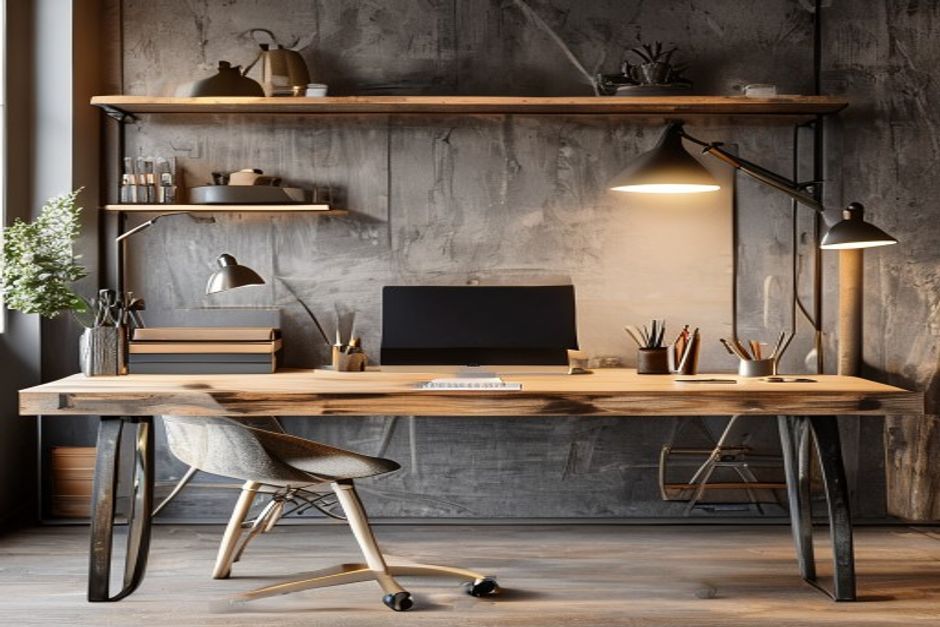
Creating a functional home office often means balancing aesthetic appeal with rigorous practical demands. When searching for an industrial metal and wood desk table, you are likely looking for that signature raw, utilitarian look without sacrificing the stability required for daily productivity. This guide is designed for homeowners, remote workers, and creatives who want a desk that serves as the anchor of their workspace, offering a sturdy platform for dual monitors, heavy drafting equipment, or a growing collection of office supplies.
How to Evaluate Industrial Desk Construction
The hallmark of a quality industrial desk is the seamless integration of heavy-gauge steel with solid timber. Unlike cheap particleboard options that warp or cheap veneers that peel, genuine industrial furniture relies on structural integrity. When evaluating these pieces, you must look past the surface finish to understand the joinery methods used. Look for bolted steel frames rather than welded ones if portability is a concern, but prioritize welded frames for maximum rigidity. The wood component should be solid hardwoods like oak, walnut, or reclaimed pine, which resist the weight of electronics and the daily wear of office chairs better than softer woods.
Top Criteria Checklist for Your Home Office
To ensure your new desk meets your specific workflow needs, consider these five critical evaluation criteria that define the best industrial metal and wood desk tables:
- Frame Gauge and Stability: Check the thickness of the steel tubing. A 14-gauge or thicker frame provides the necessary rigidity to support heavy equipment like server racks or large monitors without wobbling.
- Wood Sourcing and Finish: Verify if the wood is solid or veneered. Solid wood offers better longevity and a unique character that improves over time, whereas veneers may crack under stress. Look for distressed finishes that match the metal's patina.
- Surface Dimensions and Ergonomics: Ensure the depth is at least 30 inches to allow for keyboard clearance and mouse movement, while the height should be adjustable or standard at 29-30 inches for ergonomic comfort.
- Cable Management Integration: Industrial desks often feature open frames. Look for built-in grommets or under-desk trays to hide power cords, preventing a cluttered look that contradicts the clean aesthetic.
- Weight Capacity Rating: Always check the manufacturer's stated weight limit. High-quality industrial desks should easily support 100+ pounds, ensuring stability when leaning on the surface for detailed work.
Buying Tips for Long-Term Value
When investing in a piece of furniture meant to last for years, assembly and maintenance are just as important as the initial purchase. Many industrial desks arrive in flat-pack boxes requiring assembly; ensure the hardware is high-grade steel to match the frame. If buying a pre-assembled unit, inspect the finish for chips before finalizing the transaction. For maintenance, avoid harsh chemical cleaners on the wood surface, as they can strip the protective wax or oil, leaving the timber susceptible to moisture damage. Regularly dust the steel components to prevent grime buildup, which can accelerate rust in humid environments.
Frequently Asked Questions
Are industrial metal and wood desks suitable for small home offices? Yes, these desks come in various widths, including compact 48-inch options, making them ideal for apartments or small rooms. The vertical profile of the metal frame often allows for a lower visual weight compared to bulky wooden desks, helping to make a small space feel less cramped while still providing ample surface area.
How do I protect the wood surface from scratches? Since industrial desks often feature a distressed or matte finish, they are generally more forgiving than high-gloss surfaces, but care is still needed. Placing a desk mat under your keyboard and mouse is highly recommended to prevent micro-scratches from daily use. Additionally, using felt pads under heavy monitors or lamps will protect the wood grain from denting over time.
What is the best style of industrial desk for a modern aesthetic? For a modern look, opt for desks that pair brushed steel frames with lighter-toned woods like ash or maple. This combination avoids the heavy, dark aesthetic of traditional black iron and walnut, creating a brighter, more airy workspace that complements contemporary decor while retaining the industrial strength and character you need for a productive home office.