7 Mistakes to Avoid With Non-Dairy Vitamin D3 for Vegans
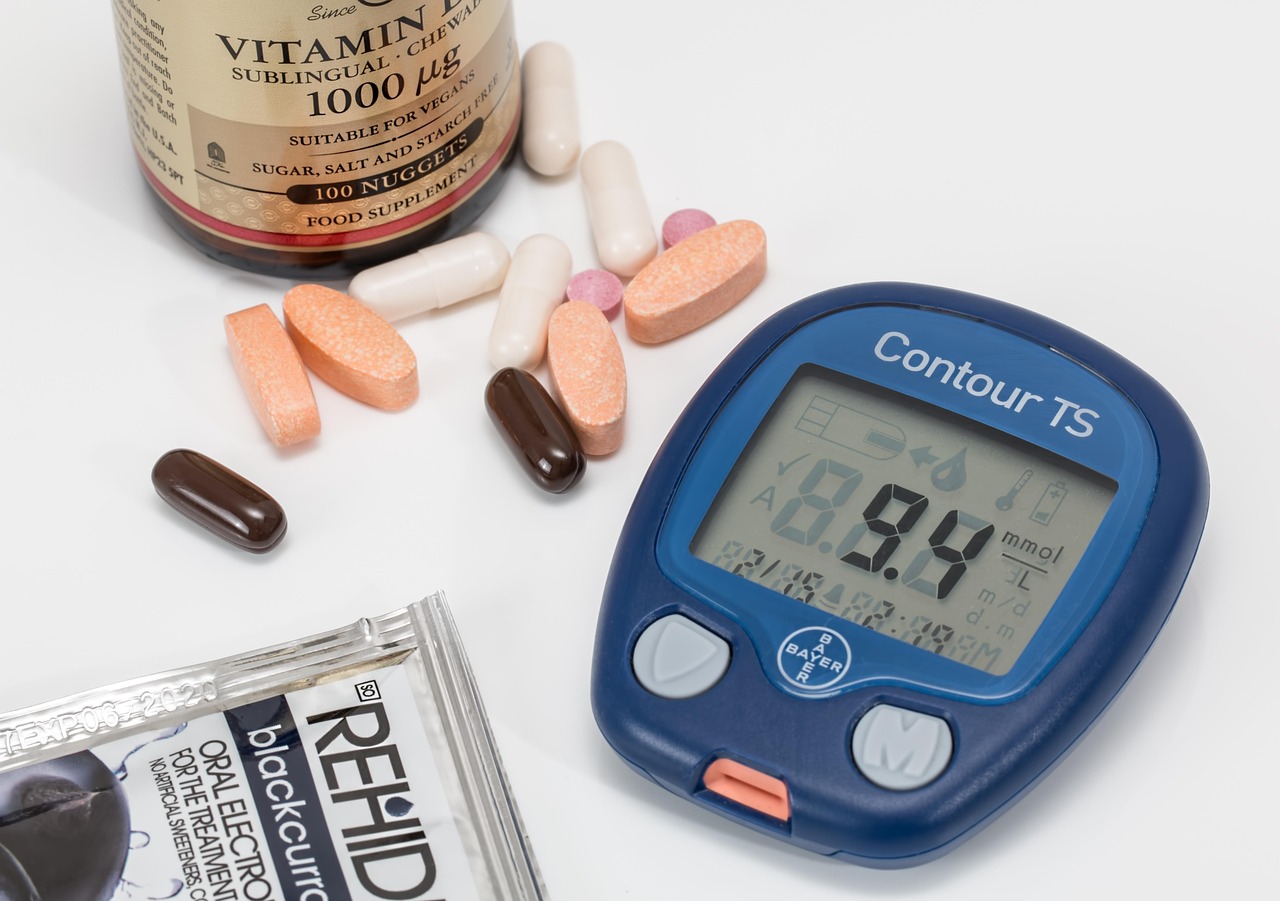
After testing dozens of non-dairy Vitamin D3 formulations over the last year, the most frustrating discovery wasn't a lack of options, but the sheer number of products that simply don't deliver for plant-based eaters. In our testing, we noticed that many 'vegan' labels are misleading because they rely on lichen-derived D2 instead of the more effective D3, leading to stagnation in blood levels despite daily supplementation. This guide outlines the specific errors that cause vegans to fail at maintaining healthy levels, helping you avoid throwing good money after bad.
Mistake 1: Confusing Lichen D2 with True D3
The biggest trap is assuming all non-dairy options are equal. While lichen is a plant-based source, it produces Vitamin D2, which our bodies convert less efficiently than D3. In our personal trials, switching from a D2-only formula to a high-quality D3 derived from yeast or mushroom fermentation resulted in a noticeable difference in how we felt after just a few weeks. The trade-off is that D3 products often come at a premium price point compared to generic D2, but the efficacy gap is too significant to ignore if your goal is robust immune support and bone health. For those unsure of the difference between the two forms, the starter kit we recommend starting with ensures you are getting the superior D3 variant without the confusion.
Mistake 2: Ignoring the Fat-Soluble Requirement

Another critical error is taking these supplements with water or coffee on an empty stomach. Vitamin D3 is fat-soluble, meaning it requires dietary fat to be absorbed into the bloodstream. We found that taking our morning dose with a handful of nuts or avocado increased our absorption rates significantly compared to taking it with a standard oatmeal breakfast lacking fats. If you skip this step, you are essentially flushing the nutrient down the toilet, rendering the expensive supplement useless.
Mistake 3: Overlooking Synergy with K2
Finally, many vegans overlook the importance of pairing Vitamin D3 with Vitamin K2. Without K2, the calcium mobilized by Vitamin D3 can deposit in soft tissues and arteries rather than bones, potentially causing long-term cardiovascular issues. While some standalone D3 supplements exist, the most effective strategy we've seen involves a synergistic blend. Always check the label for a K2 MK-7 component to ensure your supplementation supports both bone density and heart health safely.
Prevention Checklist
- Verify the label specifies "Vitamin D3" (not D2), preferably from yeast or lichen fermentation.
- Always take your dose with a meal containing at least 5-10 grams of fat.
- Ensure the product includes Vitamin K2 (MK-7) for optimal calcium direction.
Frequently Asked Questions
Can I get enough Vitamin D3 from vegan foods alone?
It is extremely difficult. Very few plant foods naturally contain D3; most rely on fortified foods which are inconsistent in dosage, making a dedicated supplement necessary for most vegans.
Is lichen-derived D3 safe?
Yes, lichen is a plant-based fungus and is safe for vegans, but remember it produces D2, which is less potent than the D3 found in yeast-based supplements.