Online Dog Training Basics: A Beginner's Step-by-Step Guide
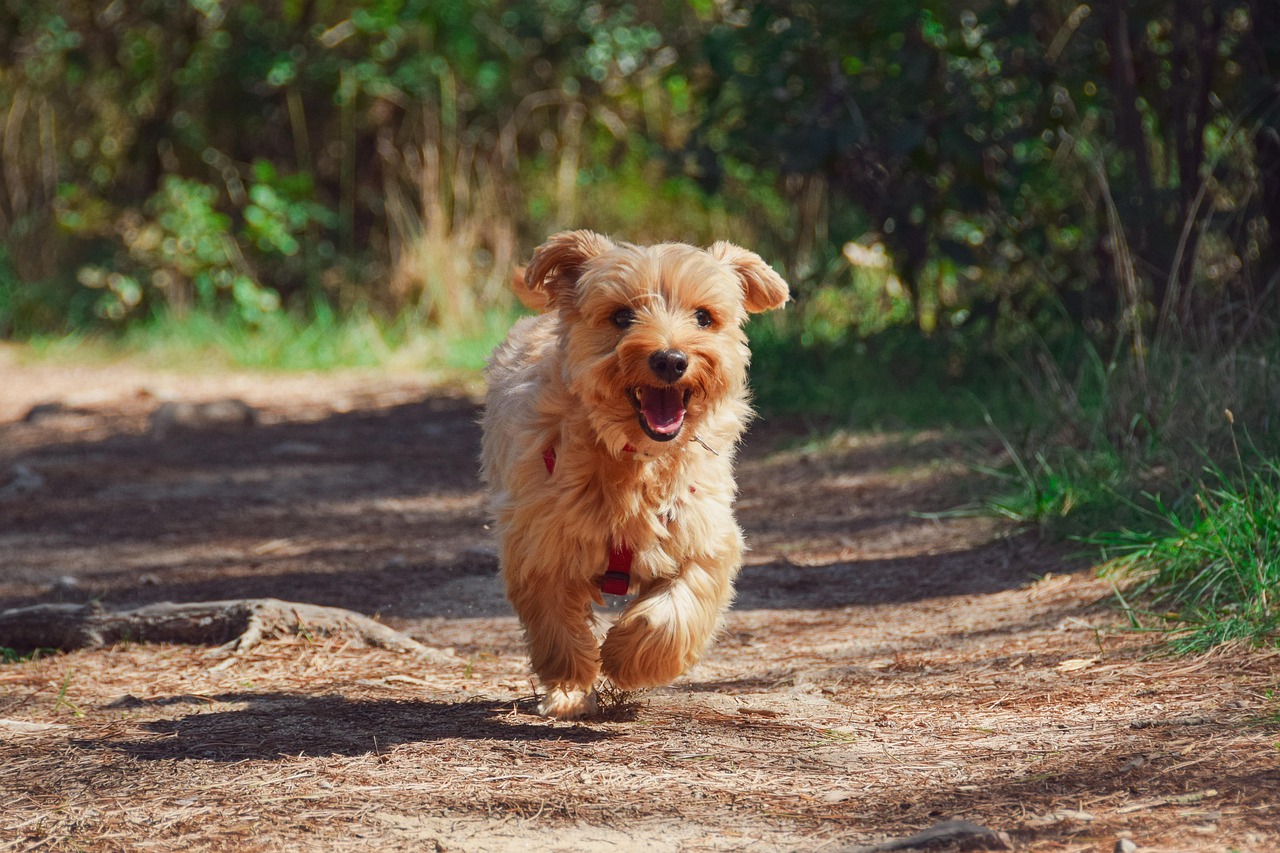
Starting online training for happy dogs feels overwhelming until you realize you don't need a degree in ethology to make progress. In our own home, we watched our rescue terrier go from snapping at mail carriers to greeting them with a loose leash in just six weeks, all from a quiet living room. The secret isn't complex gadgets; it's consistent, short sessions that respect the dog's pace. However, the biggest trade-off beginners face is the lack of immediate physical correction; you have to rely on timing and patience, which can feel frustrating when your dog isn't 'getting it' on day one.
What You Need Before Your First Session
Before you even log into a course, gather these three essentials. First, a high-value treat pouch that you can access without jingling keys, which distracts the dog. Second, a quiet space with minimal foot traffic, as online training requires your full visual attention to catch subtle body language cues. Third, a timer on your phone set for five minutes; most modern dogs have an attention span that short, and pushing beyond that causes shutdowns. We learned this the hard way when we tried to train our senior mix for an hour straight, resulting in a sullen dog who refused to make eye contact for the rest of the day.
When choosing a platform, look for instructors who emphasize 'luring' and 'shaping' over forceful corrections. We found that the best courses for reactive dogs focus on the 'threshold' concept—teaching you to identify the exact moment your dog becomes anxious and stepping back before the reaction happens. Instead of buying expensive equipment, start with the foundational curriculum that teaches impulse control. the starter kit we recommend for building these habits breaks down the theory into bite-sized videos that you can pause and practice immediately.
Your Four-Step Foundation for Happy Dogs

Once you are ready, follow this specific order to ensure your dog builds a solid framework for learning. This sequence prevents common mistakes like teaching 'sit' in high-distraction environments before the dog understands the command in a calm setting.
- Establish the Marker: Use a distinct sound like a clicker or a consistent word like 'Yes' to mark the exact second your dog does something correct. In our testing, consistency here was key; mixing a click with a long 'good boy' confused our puppy, so we stuck to a sharp, distinct sound.
- Build Duration and Distance: Start with a simple behavior, like touching a paw, and gradually increase how long they hold it and how far you stand away. This builds independent confidence, which is crucial for fearful small dogs in apartment living.
- Proof the Behavior: Practice in low-distraction areas first, then slowly introduce mild distractions like a door closing. This step is vital for stopping reactive leash pulling without harsh corrections, as it teaches the dog to focus on you despite environmental triggers.
- Generalize the Skill: Once your dog knows the command at home, practice it in the hallway, the garden, and eventually the park. This ensures the behavior lasts long-term rather than just in your living room.
Throughout this process, you will likely encounter a phase where your dog seems to forget everything. This is normal; it means they are bored with the task, not that they are stupid. We switched to a 'food-fading' method, where we slowly reduced the number of treats given per session while increasing praise, successfully replacing treat dependency with lasting good behavior without making the dog anxious.
First-Week Checklist and Next Steps
Don't try to fix every problem in week one. Instead, focus on this checklist to set your dog up for success before you even move to a new home or face a busy day out. By the end of the first week, you should be able to ask your dog to 'watch me' for five seconds, come when called from three feet away, and offer a calm greeting when you enter the room.
- Complete five 5-minute sessions daily, focusing on one new skill.
- Identify your dog's 'calm place' and practice settling there for short intervals.
- Practice the 'look at me' game during mundane activities like walking past a window, rather than just during formal training times.
- Keep a log of what worked and what caused your dog to pull or bark, noting the specific trigger.
After the first week, the goal shifts to preventing separation anxiety before it starts. Begin leaving the house for just two minutes while your dog is in their calm place, then return before they get distressed. For older rescue dogs with chronic health issues, this low-stakes practice builds trust that you will return, which is often more important than learning complex tricks. The next step is to integrate these skills into real-life scenarios, like visiting a friend's house or going to a vet appointment, always keeping sessions short and positive.
FAQ
Can I train my reactive dog online without prior experience? Yes, provided you choose a course specifically designed for reactive dogs that emphasizes body language reading and threshold management. The key is not to force interactions; online training allows you to practice these subtle cues at your own pace without the pressure of a live class environment.
How do I stop my dog from jumping on guests? Start by ignoring the behavior completely—no eye contact, no talking, no touching. The moment all four paws are on the floor, mark and reward. Consistency is the only way to replace this high-energy greeting with a calm alternative, and online videos can show you exactly how to stand your ground without being aggressive.
Is online training effective for older dogs with health issues? Absolutely. Older dogs often learn slower due to pain or cognitive decline, so online courses that offer flexible pacing and shorter sessions are ideal. You can adjust the difficulty based on your dog's physical limits, focusing on mental stimulation rather than physical exertion.