Best Budget Solid Oak Dining Tables for Farmhouse Kitchens
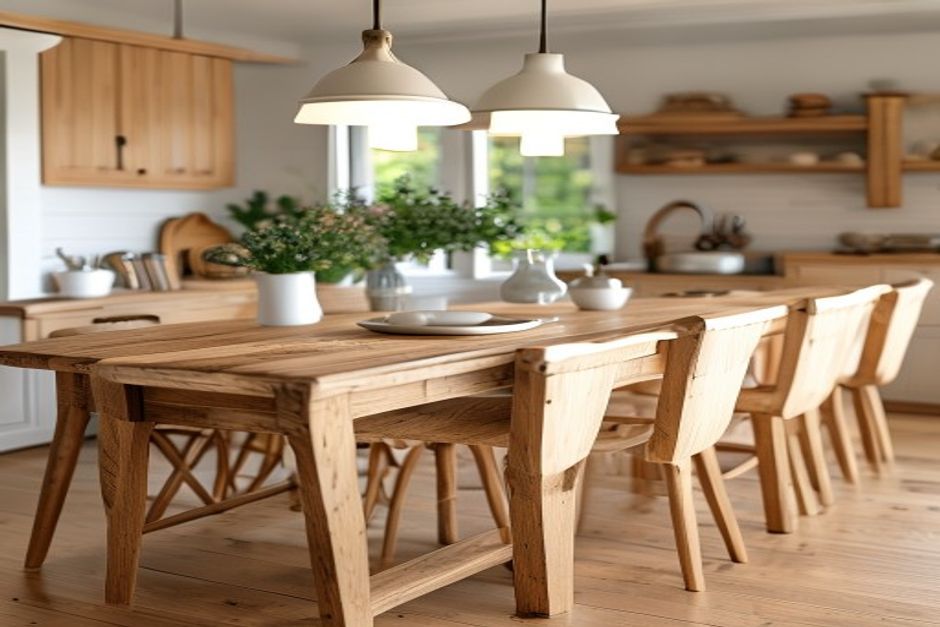
Farmhouse kitchens are defined by warmth, durability, and a lived-in aesthetic, but finding a solid oak dining table that fits a tight budget often feels like a trap. Many sellers use thin veneers or low-grade wood that cracks under the weight of daily life, promising "farmhouse style" while delivering disappointment. This guide cuts through the marketing fluff to identify which solid oak tables actually offer value for money, ensuring you get genuine hardwood that ages beautifully without draining your savings.
What to Prioritize vs. What to Skip When Budget is Tight
When hunting for affordable farmhouse pieces, your strategy must shift from seeking "premium" to seeking "smart." You cannot afford the thickest, widest planks, so you must prioritize construction integrity over sheer size. Focus your budget on the joinery and the wood grade rather than the table's footprint.
- Prioritize Full-Solid Construction: Never settle for a "solid oak" table that is actually a veneer over particleboard. For the budget tier, look for tables constructed entirely from oak staves or slats. Even if the wood is "S1" or "S2" grade (meaning it has some knots and character marks), it will last decades and add authentic farmhouse charm that cheap laminates simply cannot mimic.
- Focus on Joinery: A table with simple, sturdy mortise-and-tenon or dowel joints is superior to a massive table held together by glue and nails. Check if the legs are attached to the apron or directly to the tabletop; the latter is less stable but common in budget builds. Ensure the connection points are reinforced with metal brackets if the wood grade is lower.
- Skip the "Perfect" Finish: Do not pay extra for a glossy, factory-perfect finish on a budget table. Look for natural oil finishes or matte stains that allow the oak grain to show through. These are cheaper to produce and actually better for a farmhouse look, which celebrates imperfections.
Realistic Price Tiers and Value-for-Money Criteria
To understand what "budget" means for a real oak table, we must look at the market reality. A true solid oak dining table rarely drops below $400 due to the raw material costs. However, you can find incredible value in specific price brackets if you know where to look.
The Entry Tier ($350–$550): At this level, you are likely looking at smaller dining tables (seating 4–6) or tables with a slightly narrower top (30 inches wide). The value here comes from the wood type. Ensure the seller specifies "solid oak" rather than "oak effect" or "engineered wood." A table in this range should feature hand-planed edges or rustic cuts that save on machining costs while increasing character.
The Sweet Spot ($550–$800): This is where the best value-for-money criteria are met. You can find larger tops (48–60 inches) that seat 6–8 people comfortably. In this bracket, you might find tables with thicker slats (1.5 inches or more) that feel substantial underfoot. The trade-off is often the finish quality or the specific grade of oak (more knots, natural color variation), which is exactly what you want for a farmhouse aesthetic.
What to Avoid: Steer clear of tables priced under $300 claiming to be solid oak. These are almost exclusively veneers or composites. While they look similar at first glance, they will delaminate when exposed to humidity changes common in kitchens. The extra cost of a true solid oak table is an investment in longevity, not just aesthetics.
DIY Maintenance and Cost-Saving Tips
Once you have your table, keeping it in top condition is the best way to protect your investment and avoid the need for expensive repairs or replacements. Farmhouse oak is durable, but it requires specific care to maintain its rustic appeal.
- Regular Oil Reapplication: Unlike sealed tables that just need a quick wipe, solid oak tables benefit from an annual coat of food-safe mineral oil or tung oil. This is a low-cost DIY task that prevents the wood from drying out and cracking. It also deepens the color, making the table look richer over time.
- Protect Against Heat and Moisture: Use coasters and placemats religiously. While oak is hard, the finish on budget tables can be thinner than high-end pieces. A hot pot or wet glass can leave permanent rings that require professional refinishing to fix.
- Address Scratches Naturally: Instead of buying expensive repair kits, use a mixture of lemon oil and steel wool to buff out minor scratches. For deeper gouges, a touch-up marker matching the oak stain can blend the imperfection into the wood grain, maintaining the rustic farmhouse vibe.
By focusing on construction quality and proper maintenance, you can own a beautiful solid oak dining table that serves your family for generations, all while sticking to a sensible budget.