Best Budget Solid Pine Dining Tables for Kids (2026 Guide)
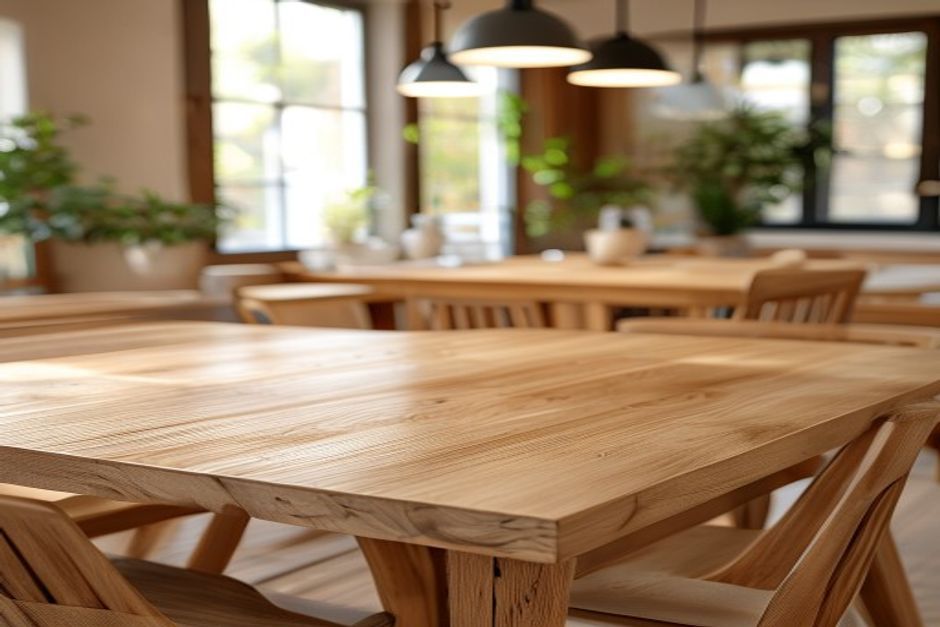
Running a household with energetic children often means dining furniture must survive daily spills, scratches, and enthusiastic chair-pushing. When searching for solid pine dining tables on a budget, the temptation is to buy the cheapest option available, but true value lies in specific construction details that prevent premature replacement. This guide cuts through the marketing noise to identify which pine tables actually stand up to family life while keeping costs low.
What to Prioritize vs. What to Skip on a Budget
When funds are tight, your priority should be the type of wood grain and the finish, not the brand name or ornate design. Solid pine is naturally softer than oak or maple, making it susceptible to dents, but this is exactly why it is a top choice for families; the wood hides wear and tear better than harder, more expensive alternatives. Instead of paying a premium for a distressed 'farmhouse' look that requires painting, look for a natural, matte finish that accepts touch-ups easily.
- Do Prioritize: Full solid construction (no particle board cores) and a durable, non-toxic oil or polyurethane finish that resists water rings.
- Skip: Intricate carvings that chip easily, ultra-sleek high-gloss lacquers that show every fingerprint, and expensive 'designer' shapes that offer no structural advantage.
Value-for-money in this category means a table that looks good now but won't look worse when your teenager slides their backpack across it. Avoid tables with thin legs or weak aprons; a cheap table that wobbles will be discarded quickly, wasting your money.
Realistic Price Tiers for Solid Pine
Understanding the market range helps you avoid being overcharged for standard features. In the current market, solid pine dining tables generally fall into three distinct tiers based on size and joinery quality.
The Entry Tier ($150–$250): This range covers small, 4-person tables or those with simpler drop-leaf mechanisms. While the wood is genuine pine, the finish may be thinner, and the joinery might rely on screws rather than traditional mortise and tenon joints. This is an excellent starting point for a spare room or a small apartment, provided you accept that it may need refinishing sooner than a higher-end model.
The Value Sweet Spot ($250–$450): Here you find the best balance of durability and price. Tables in this bracket often feature wider tops, better leg bracing, and thicker finishes that better protect against juice rings and heat marks. This is the recommended tier for families with young children, as the slight cost increase yields significant gains in longevity.
The Premium Budget Tier ($450+): Even on a budget, you can access high-end joinery and larger seating capacities. These tables often use kiln-dried pine to prevent warping over time. While they push the upper limit of a strict budget, they are an investment that pays off by lasting through multiple generations of kids.
DIY Maintenance to Extend Table Life
Once you have selected a solid pine table, your ongoing maintenance is the most effective way to save money on replacements. Pine is a 'living' wood that reacts to humidity, so proper care prevents warping and cracking.
- Immediate Spill Protocol: Wipe up liquids immediately with a damp, not wet, cloth. Never leave water sitting on the surface, as pine absorbs moisture rapidly, leading to white water marks that are hard to remove.
- Scratch Repair: Unlike hardwoods, you can often fix minor scratches in pine using a marker that matches the wood's natural grain or a small amount of beeswax paste. This keeps the table looking fresh without calling a professional.
- Regular Oiling: Apply a food-safe mineral oil or beeswax finish once every few months. This builds a protective barrier against heat and stains, extending the table's life significantly compared to relying on the factory finish alone.
By focusing on these practical criteria, you can secure a solid pine dining table that serves your family well without sacrificing your budget.