Pro Tips: Solid Pine Dining Tables for Families with Kids
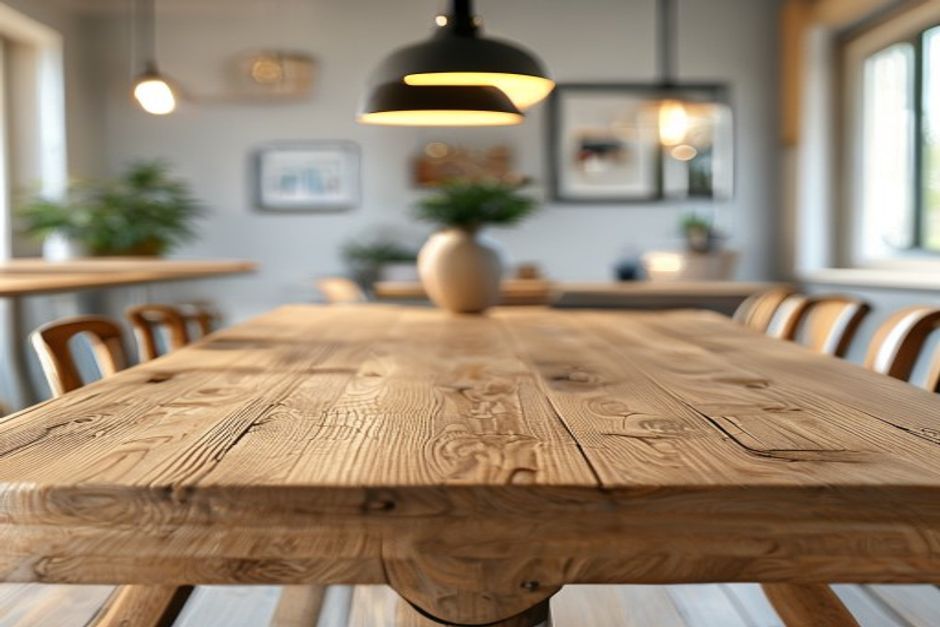
Selecting a solid pine dining table for a household with active children is less about finding a perfect piece of furniture and more about engineering a system that survives the chaos of daily life. Unlike veneered alternatives, solid pine offers a unique structural resilience, but it demands specific handling techniques to prevent warping, staining, and surface damage that can quickly ruin the aesthetic appeal.
Engineer the Surface for Impact Resistance
The single most critical factor in choosing a solid pine table for kids is the thickness of the top and the construction of the legs. Avoid tables with thin, 1.5-inch tops that will dent under a rolling chair or a dropped toy. Instead, look for a minimum of 1.75 inches to 2 inches of solid wood. This extra mass provides the necessary inertia to resist deformation. Furthermore, ensure the table features a 'tapered leg' design or a base with a cross-brace; these structural elements prevent the wobble that occurs when heavy objects are placed off-center, a common occurrence in homes with young children.
Optimize the Finish for Stain and Scratch Management
While a high-gloss polyurethane finish looks pristine, it is often too brittle for a family with kids, leading to chipping when chairs are dragged. The industry standard for solid pine in this context is a satin or semi-gloss oil-based polyurethane. This finish penetrates the wood fibers rather than just sitting on top, creating a flexible barrier that absorbs impact. Additionally, consider applying a clear wax coat over the polyurethane. This creates a 'self-healing' surface where minor scratches from pencil marks or ballpoint pens can be buffed out over time, extending the life of the table significantly.
Strategic Placement and Maintenance Protocols
Even the toughest solid pine table will suffer if placed in the wrong location or maintained incorrectly. Avoid placing the table directly under a window where direct sunlight can cause the wood to expand unevenly, leading to cupping. Instead, position the table where ambient light is consistent. For maintenance, never use generic household cleaners or vinegar solutions, as the acidity can degrade the finish. Use a dedicated wood cleaner specifically formulated for pine, and immediately blot—never rub—any spills. Rubbing pushes liquids into the wood grain, creating permanent stains that are difficult to remove without sanding down the finish.
Common Advanced Pitfalls to Avoid
Beyond basic care, there are specific pitfalls that often trip up buyers. First, do not buy tables with pre-drilled holes for extension leaves unless you are certain of your family's growth trajectory; these holes weaken the grain structure if not reinforced with epoxy fillers. Second, avoid 'knotty pine' with large, open knots if you are concerned about structural integrity; while rustic, these knots are natural weak points that can split under heavy loads. Finally, never attempt to sand a finished table to fix a deep scratch without testing the adhesion of the new finish on a hidden corner, as different brands of polyurethane react differently to sanding, potentially stripping the entire top in one go.
By focusing on thickness, finish flexibility, and strategic placement, you transform a standard dining table into a robust piece of furniture capable of withstanding the rigors of family life.