Solid Pine Dining Tables for Kids: Worth the Hype?
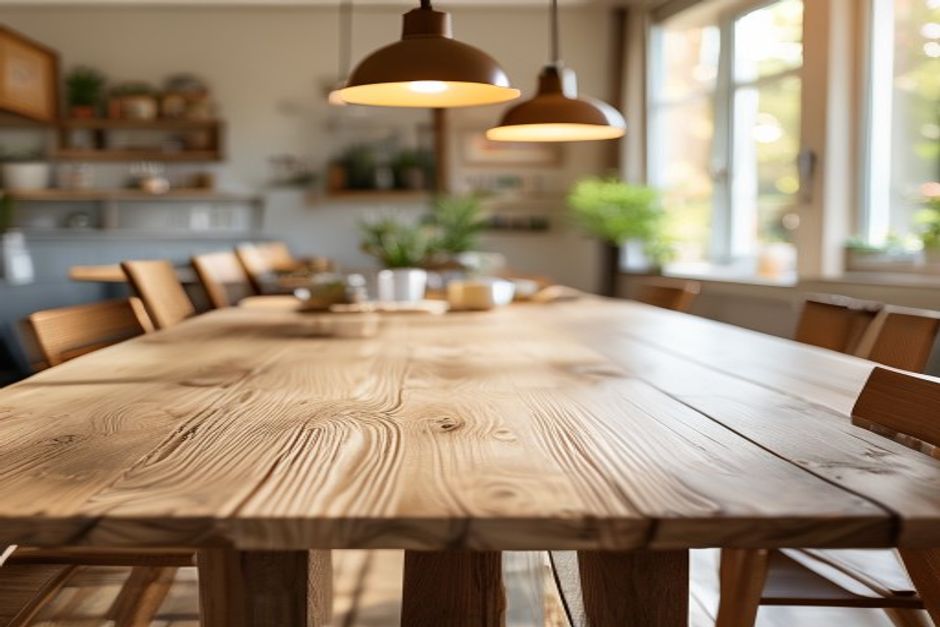
When your home becomes a playground for toddlers and energetic school-aged kids, the dining room is often the first casualty of chaos. You need a surface that can withstand dropped forks, crayon scribbles, and the occasional soccer ball landing. This raises the critical question: Is investing in a solid pine dining table truly worth it for a household with young children? Unlike veneered furniture that chips easily or plastic tables that feel flimsy, solid pine offers a unique middle ground between budget-friendly options and high-end hardwoods. But before you commit to this specific wood type, it is essential to understand exactly what you are buying and where it fits in your family's lifestyle.
Who Solid Pine is Perfect For
Solid pine dining tables are not a one-size-fits-all solution, but they are an ideal match for specific family profiles. They are best suited for families who prioritize repairability and longevity over a flawless, showroom-ready finish. If you have kids who are still learning table manners, pine is superior to many alternatives because it can be sanded and refinished repeatedly without losing its structural integrity. This makes it a fantastic choice for growing families who plan to keep the same table for years, adapting it as the children grow and the household evolves.
The Real Pros and Cons
To make an informed decision, you must weigh the tangible benefits against the inevitable maintenance required. Here is the honest breakdown of what to expect from solid pine in a high-traffic family environment:
- Cost-Effective Durability: Pine is significantly more affordable than oak or maple, yet it provides a solid, sturdy surface that won't warp easily under the weight of a full spread.
- Self-Healing Surface: Minor dents and scratches, common with kids, often disappear as the wood settles and compresses over time, keeping the table looking relatively new.
- Easy Maintenance: Cleaning spills is straightforward, and deep scratches can be touched up with simple wood filler or by sanding down the spot and re-oiling.
- Warm Aesthetic: Pine offers a natural, warm grain that softens the look of a busy dining room, unlike the stark, industrial feel of some laminate options.
- Softness Trade-off: Pine is a softwood. It dents much easier than hardwoods like oak. A heavy book or dropped toy will leave a visible mark.
- Finish Sensitivity: The wood is porous and can absorb stains if not sealed properly. Without a high-quality finish, wine or juice can leave permanent rings.
Verdict: When to Buy
So, is a solid pine dining table worth it? The answer is a definitive yes, but only if you align your expectations with the wood's natural characteristics. It is the smartest choice for families who view the dining table as a functional workhorse rather than a fragile display piece. If you are willing to accept occasional dents in exchange for a surface that can be sanded down and restored multiple times, pine offers the best value per dollar in the market. However, if you require a table with a perfectly smooth, scratch-proof surface that demands zero maintenance, you should look toward engineered hardwoods or high-density laminates instead. For the average family with kids, solid pine provides the perfect balance of affordability, warmth, and resilience.